Think Like a Scientist
Book 3 of 4
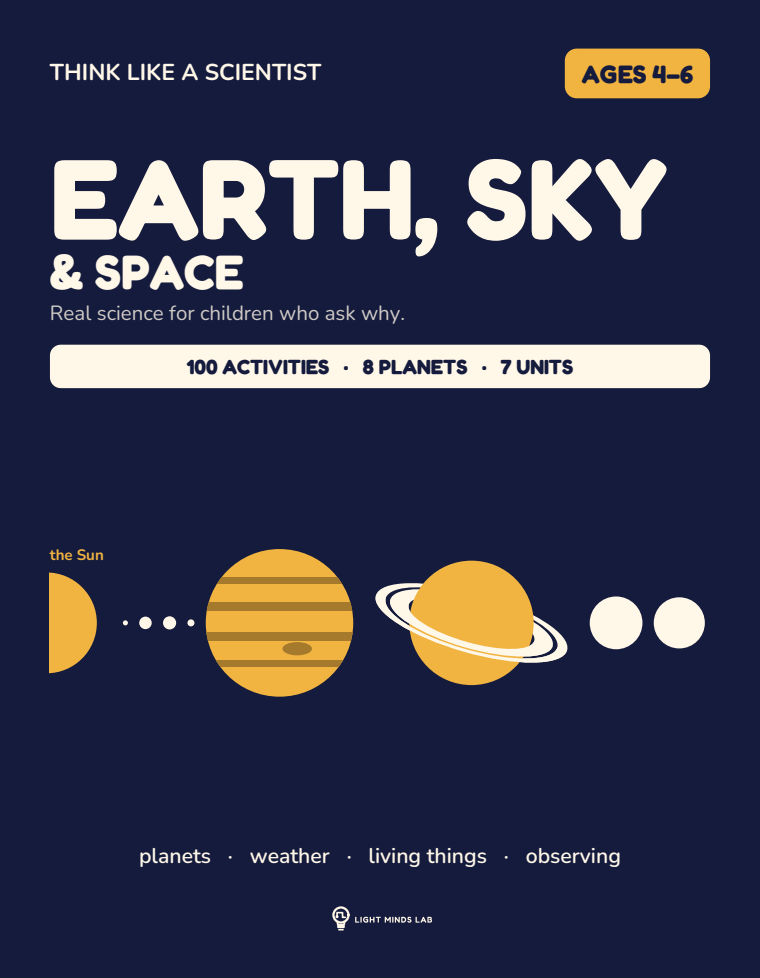
Earth, Sky
& Space
Real science for children who ask why.
Day and night, weather, land and water, living things, the moon and stars, and the eight planets, drawn accurately.
120 pages · 8.5 × 11 in · paperback · black-and-white interior on cream paper · planets · weather · living things · observing
Why it exists
Children's space books are full of smiling planets in the wrong order at the wrong sizes, and half of them still show nine.
Eight planets, correct order, true relative scale on the line-up, current NASA naming, and Pluto named as a dwarf planet where it appears at all. A four-year-old cannot check this. A seven-year-old can.
We check facts against NASA and NOAA language before a page is drawn, and check them again on the rendered page.
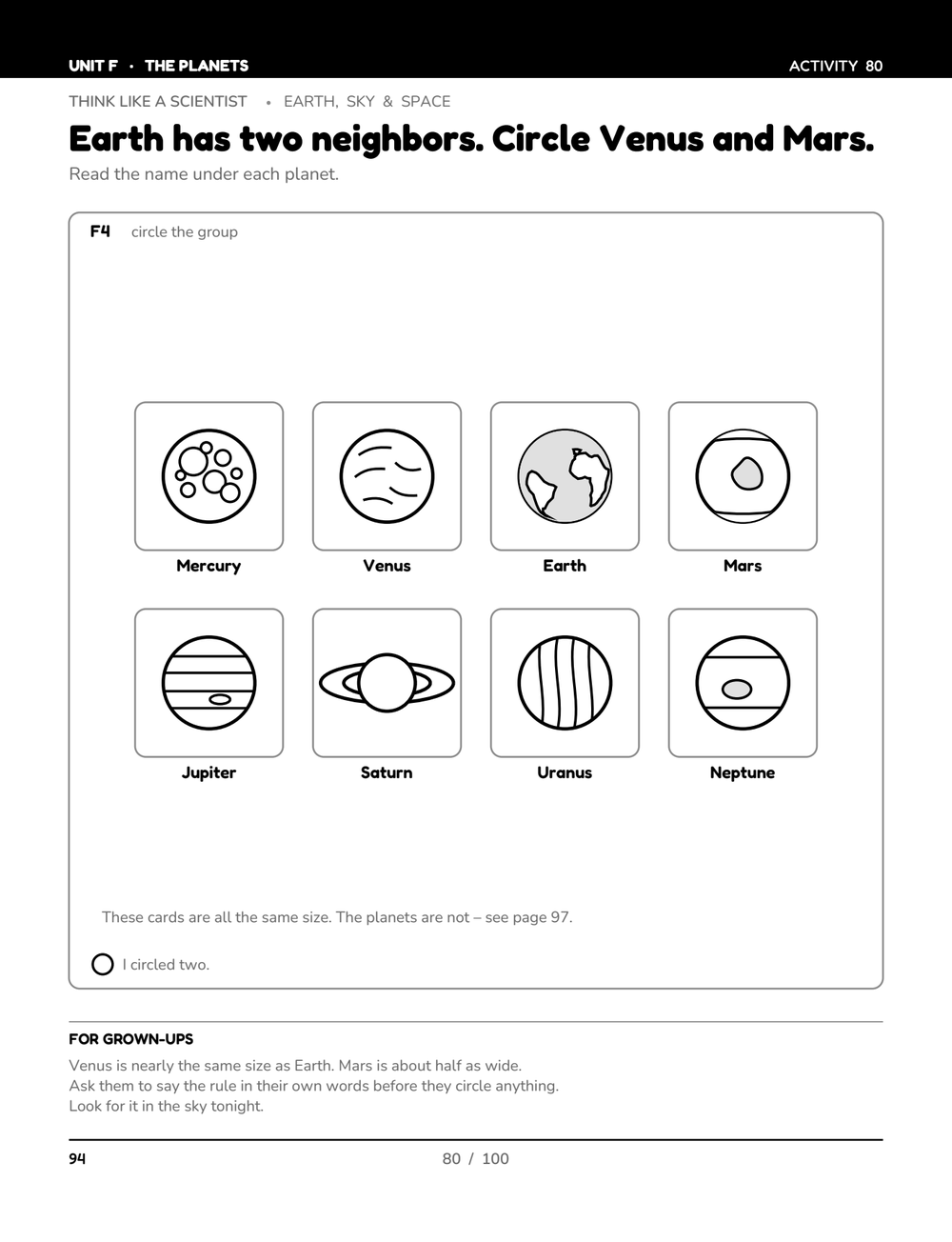
The ramp · 7 units
What is in the book, in the order the child works through it.
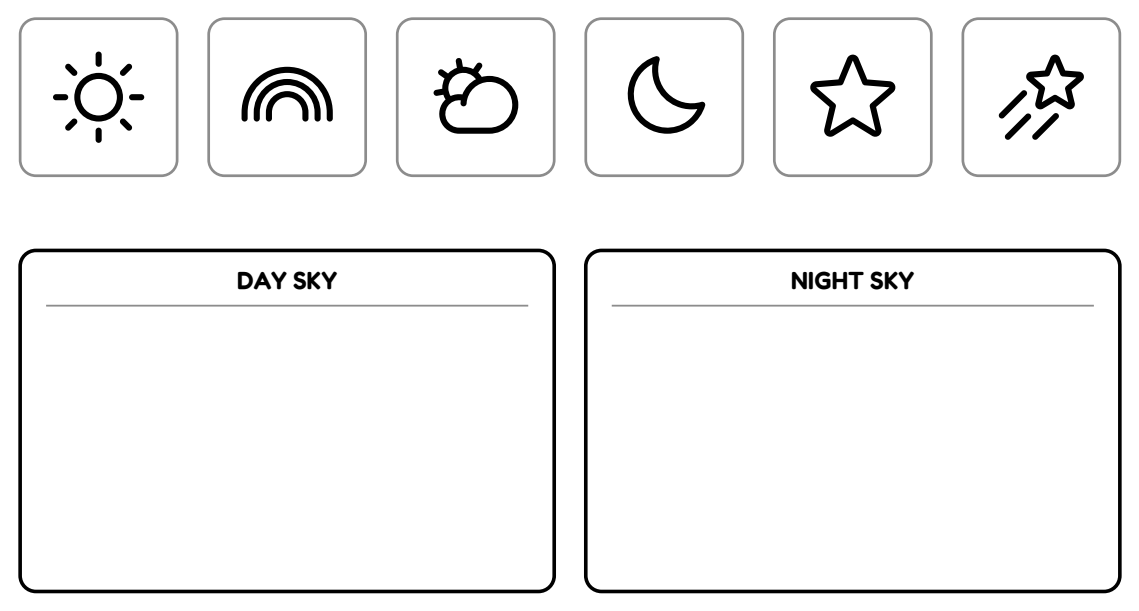
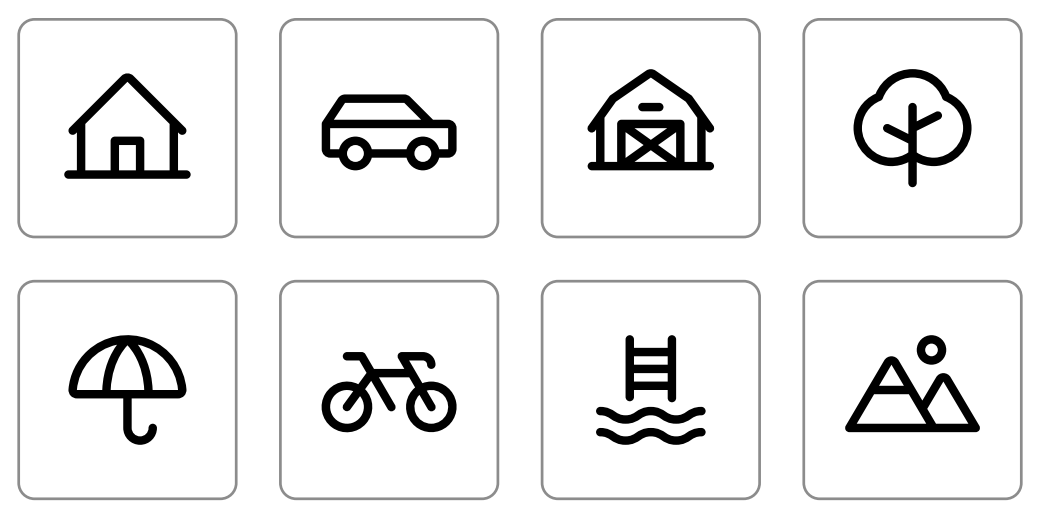
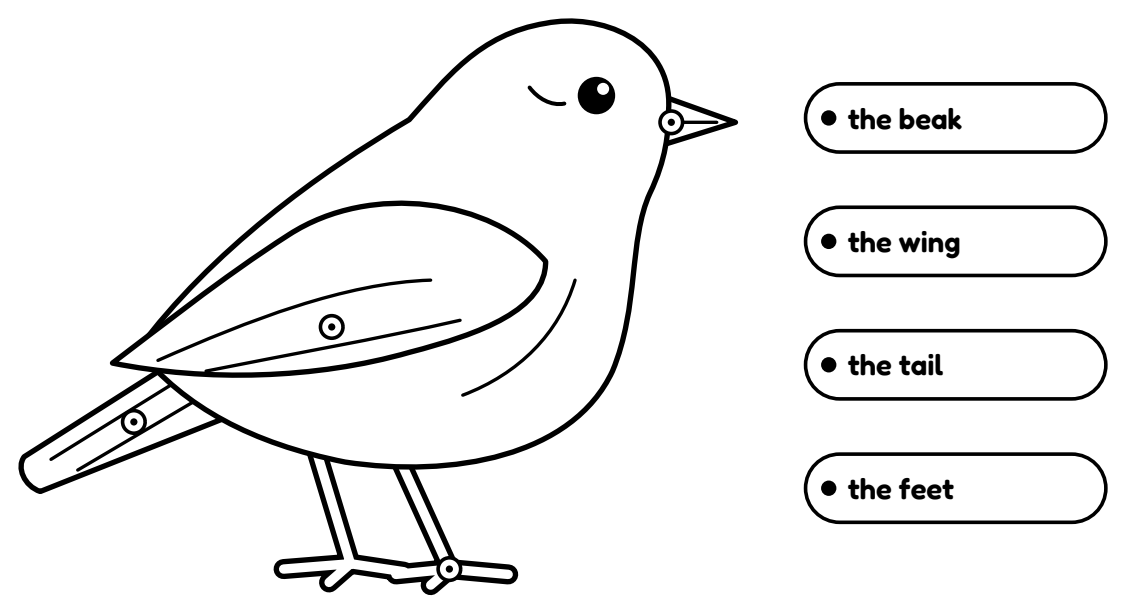

The grid is the page's own quarter inch, reduced with the art, so the row can be measured and not only compared.
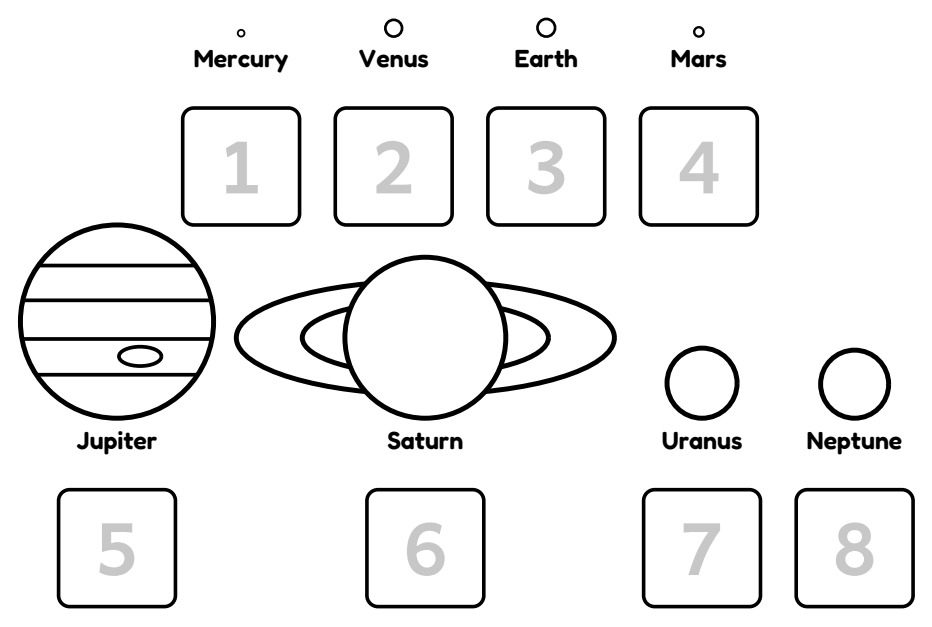
Five real pages, cut from the printed interior by the build and reduced by the same amount. Six pictures sorted into day and night on the first page; the eight planets numbered outward from the Sun by activity 82. The strip stops short of 100 because the last unit, Young Scientist, is observation work with nothing printed to check against.
Day and Night
Activities 1–14The sun, shadows, how the sky changes, sleeping and waking.
Our Weather
Activities 15–30Kinds of weather, seasons, what to wear, and recording what you saw, which is the first data work in the series.
Our Earth
Activities 31–46Land, air and water; mountains, rivers and oceans; rocks and soil.
Living Things
Activities 47–64What plants and animals need, habitats, and life cycles.
The Moon and Stars
Activities 65–76Moon phases, constellations, the night sky. Three join-the-dots pages live here: the Big Dipper, Orion, and the planet line-up.
The Planets
Activities 77–94The Sun, the eight planets, their order, their size, and how we have gone to look at them.
Young Scientist
Activities 95–100Observing, using tools, and taking care of the Earth.
Questions
Is Pluto in it?
Named as a dwarf planet, in the places where naming it is honest. The line-up is the eight planets.
Does my child need to read?
No. Every instruction is an icon first; the sentence under it is for the adult. Planet names appear as labels, which is how the vocabulary gets learned.
Is it religious or does it teach evolution?
Neither. It is observational science for four-to-seven-year-olds: weather, habitats, and what the moon looks like this week.
Guides for this book
Teaching the solar system to a 4–6 year old, accurately
Young children can handle accurate astronomy. What they cannot undo easily is a misconception learned at five.
For grown-upsHow to sit beside a child doing a worksheet
The most challenging part of an activity book is not on the page. It is sitting there while a four-year-old gets it wrong.
How we make themWhy our activity books are printed in black and white
The research behind it, the one finding that argues against it, and what the child gets in return.